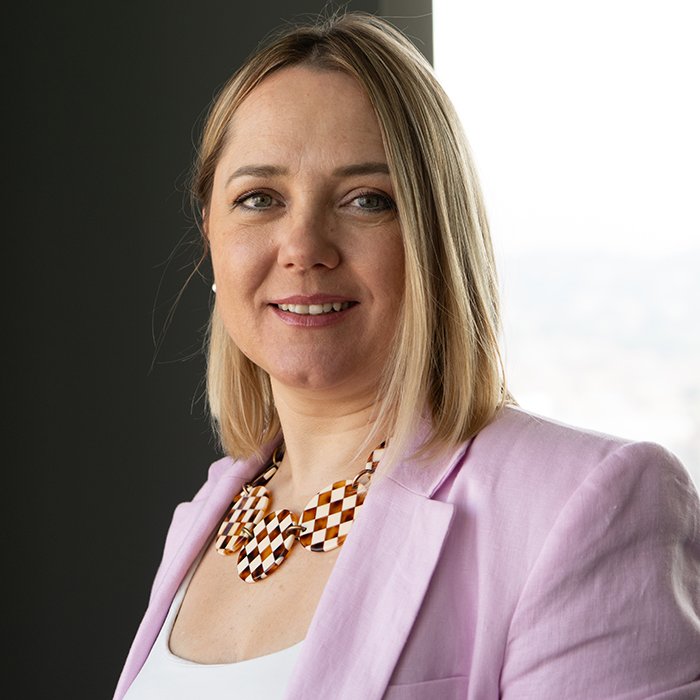
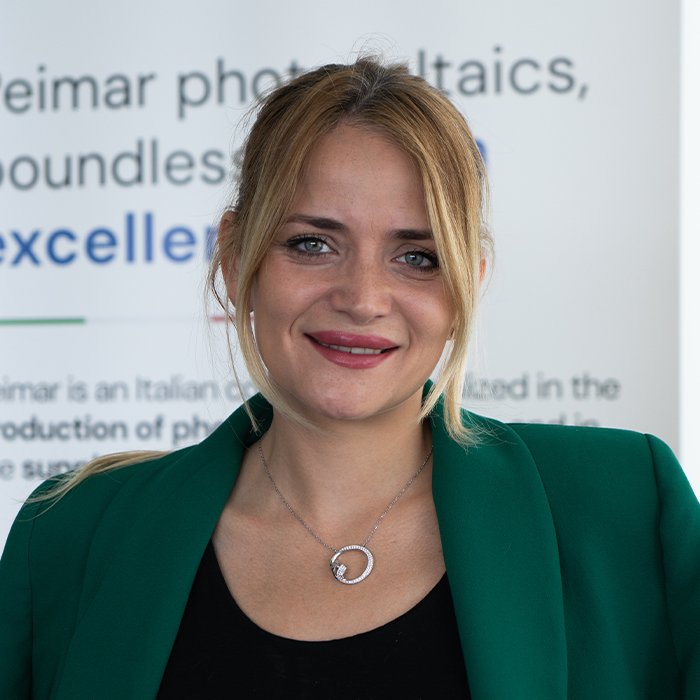
Cherlyna, Intersolar Europe is always at the heart of the industry’s most important discussions. In your opinion, which topics related to the European photovoltaic market will be most widely discussed at this year’s edition?
“In my opinion, the most widely discussed topics at Intersolar Europe this year will reflect the evolution of the solar sector, which is increasingly connected not only to technological innovation but also to broader energy and economic dynamics. Key topics will include the growing role of artificial intelligence in the management of photovoltaic systems, the development of large-scale solar projects, including solutions such as agrivoltaics and floating photovoltaics, the increasing focus on energy security, and the impact of the financial environment on project development across Europe.”
“With the continued development of artificial intelligence, I expect many discussions on how this technology can help improve the performance of photovoltaic systems, optimize energy management and make the integration of renewable energy sources into the power grid more efficient.”
“For the European market, one of the key topics will certainly be the growth of large-scale photovoltaic installations. More and more industry operators are looking at large projects as a concrete response to the need to accelerate the energy transition and increase installed renewable energy capacity. In this context, the debate will focus on aspects such as land availability, permitting procedures, grid connection, the economic viability of projects and implementation timelines.”
“Another important topic will be the evolution of market conditions. The photovoltaic sector is undergoing a period of profound transformation, in which price dynamics and trends in supply and demand are influencing investment decisions and the strategies of industry operators. In this scenario, the ability to offer reliable, competitive solutions tailored to the needs of different European markets will become increasingly important.”
“Finally, energy security will continue to play a central role. The recent energy crisis has highlighted the importance of reducing dependence on external energy sources and accelerating the development of renewable energy. In this regard, solar energy represents one of the most concrete solutions for ensuring greater stability, sustainability and energy independence in the long term.”
Jovana, Intersolar Munich often represents a key moment in shaping the future of the photovoltaic industry. What developments or opportunities do you think this year’s edition could bring to the European photovoltaic market?
“I believe this year’s edition of Intersolar could further reinforce the importance of high-quality photovoltaic solutions in an increasingly competitive European market. The sector is clearly moving towards increasingly intelligent integration between photovoltaics, energy storage systems and energy management solutions.”
“At the same time, I see significant opportunities for European manufacturers that can offer not only product quality, but also flexibility and technical support. Events such as Intersolar are essential for creating new partnerships and supporting the next phase of growth in the photovoltaic sector.”
Nataliya, even though Intersolar Europe lasts only a few days, its impact on the industry often continues well beyond the end of the event. From your perspective, how can events like Intersolar influence the future development of the European photovoltaic market in the following months?
“Intersolar Europe is one of the most important events for the renewable energy sector, and its influence often extends well beyond the days of the trade fair. It is a key meeting point where companies, customers and partners can exchange ideas, discuss market trends and gain a better understanding of the direction in which the industry is moving.”
“One of the main impacts of the trade fair is its role in shaping expectations regarding prices, demand and future supply. The conversations and agreements that develop during Intersolar can influence purchasing decisions and business strategies in the following months.”
“The trade fair also represents an important showcase for technological innovation. Manufacturers present new products, more efficient modules and solutions designed to support the development of increasingly advanced photovoltaic projects. These innovations help customers understand which technologies are ready for the market and how they can improve the performance of future installations.”
“Finally, Intersolar also plays an important role in brand perception. A strong and consistent presence at the trade fair helps build trust among both existing and potential customers. For a company like Peimar, participating in Intersolar means demonstrating reliability, long-term commitment and a willingness to continue supporting its customers with innovative and competitive solutions.”